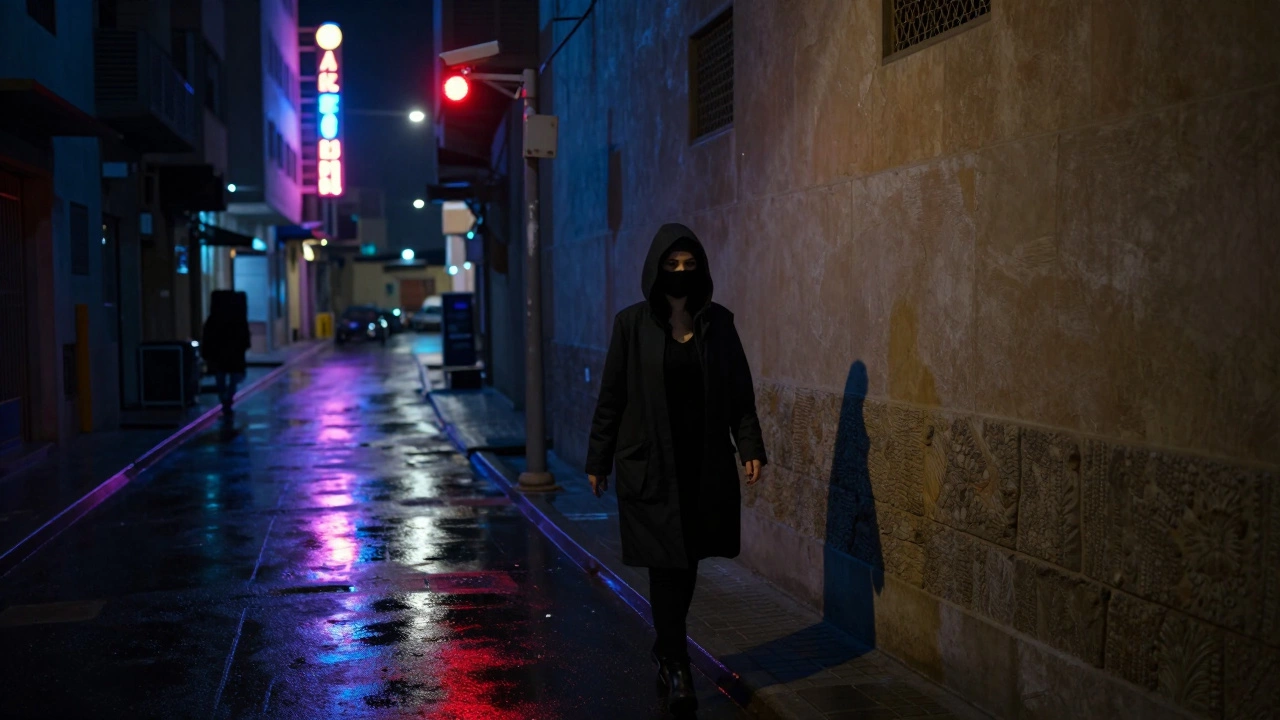
Facial recognition software is no longer science fiction-it’s in police vans, street cameras, and even private security systems. For sex workers, this technology isn’t just an inconvenience. It’s a direct threat to safety, privacy, and survival. In cities where sex work is criminalized or heavily stigmatized, this tech doesn’t just identify people-it labels them, tracks them, and puts them at risk of arrest, violence, or public exposure. The rise of facial recognition has turned everyday spaces into surveillance zones, and sex workers are on the front lines of this quiet war.
Some sex workers in Dubai use platforms to connect with clients discreetly, like real escort dubai services that prioritize anonymity. These platforms often avoid sharing identifiable photos or locations, but even that isn’t enough anymore. Facial recognition doesn’t need your name or phone number. It just needs your face.
How Facial Recognition Works Against Sex Workers
Facial recognition systems scan faces in public spaces and match them against databases of known individuals. These databases aren’t just for criminals. In many places, they include people arrested for solicitation, even if charges were dropped. They include people photographed at protests, at clinics, or even at events where they were simply present. Once your face is in the system, you’re flagged every time you walk past a camera.
Police departments in cities like London, New York, and now Dubai have used facial recognition to target sex workers during raids. In 2023, a leaked internal report from Dubai’s public safety department showed that over 60% of facial recognition alerts tied to sex work came from cameras near hotels and residential areas-places where many workers meet clients to avoid street-based risks. The system didn’t distinguish between consensual adult work and trafficking. It just flagged faces that matched profiles in a database built from past arrests, photos from social media, and even images scraped from dating sites.
The Illusion of Safety
Many sex workers rely on apps and websites to screen clients, share locations, and avoid dangerous situations. But facial recognition undermines all of that. Even if you never post a photo of yourself online, someone else might. A client might upload a picture. A friend might tag you in a post. A hotel camera might capture you entering a room. That single image can be pulled into a facial recognition database without your knowledge.
And once you’re in the system, you’re not just at risk of arrest. You’re at risk of being doxxed. Family members, employers, or landlords might see your face on a news report or social media post labeled as a "sex worker"-even if you’ve never done anything illegal. In cultures where stigma is strong, that can mean losing your job, your home, or your children.
Hot Escort Dubai and the Hidden Cost of Digital Visibility
The term "hot escort dubai" might sound glamorous in advertisements, but behind it are real people trying to survive. Many use these services because they have no other options-due to immigration status, lack of education, or economic desperation. They don’t want fame. They want safety. But when facial recognition scans their face during a session, that moment becomes a permanent digital record.
Some workers try to avoid cameras by using back entrances, paying for private apartments, or working at night. But cameras are everywhere now. Traffic lights. Parking garages. Building lobbies. Even vending machines in some areas have facial recognition built in. There’s no place you can go that’s truly hidden.
Real Escort Dubai: A False Sense of Control
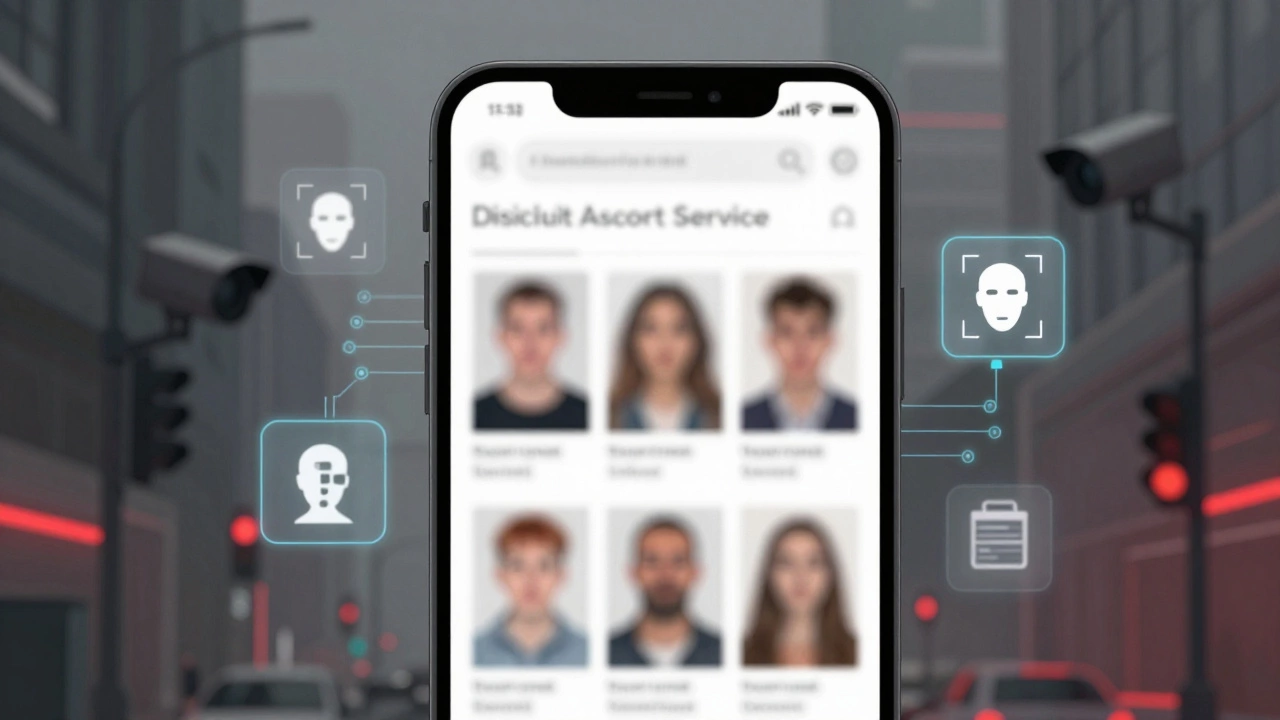
Platforms advertising "real escort dubai" often claim to offer "verified" and "safe" services. But verification doesn’t mean protection. These platforms don’t control what happens to your face once you leave their site. They don’t stop police from using facial recognition to identify you from a photo you uploaded to their site. They don’t stop clients from sharing your image. And they don’t stop AI systems from cross-referencing your face with other databases-like immigration records or credit applications.
Worse, some platforms now require photo verification to "ensure legitimacy." That’s not safety. That’s data collection. And that data is often sold or shared with third parties-including law enforcement agencies under the guise of "crime prevention."
What’s Being Done? Not Enough
Activists in the U.S., Canada, and parts of Europe have pushed for bans on facial recognition in public spaces. San Francisco, Boston, and Portland have banned its use by police. But in the Middle East and many parts of Asia, the opposite is happening. Dubai has expanded its surveillance network dramatically since 2022. Cameras now cover 98% of major roads and 85% of hotel entrances. There are no laws limiting how this data is used.
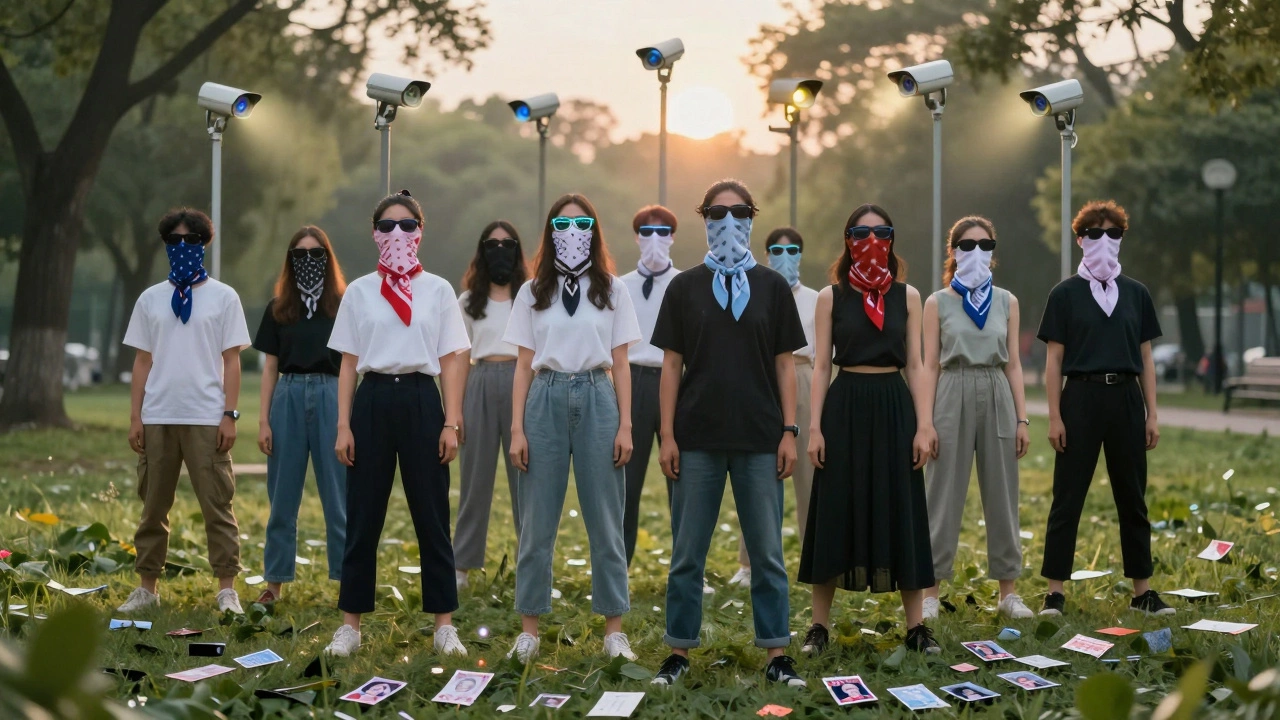
Sex worker collectives in Dubai have started training members to recognize surveillance cameras and avoid areas with known facial recognition systems. Some use face masks, hats, or digital filters when meeting clients. Others refuse to use any digital platforms at all and rely on word-of-mouth networks. But these are survival tactics, not solutions.
The Bigger Picture
This isn’t just about sex work. It’s about who gets to be invisible in public space. Facial recognition targets marginalized groups first-Black people, immigrants, transgender individuals, and sex workers. The same tech used to catch shoplifters is used to track people for being poor, queer, or working in a stigmatized profession.
When we allow facial recognition to expand without oversight, we’re not making society safer. We’re making it more unequal. We’re giving governments and corporations the power to decide who belongs and who doesn’t-based on nothing more than the shape of someone’s jawline or the distance between their eyes.
What Can You Do?
If you’re not a sex worker, this still matters. Because tomorrow, it could be you. Maybe you’re an immigrant worker. Maybe you’re a protester. Maybe you’re just someone who doesn’t want your face tracked every time you walk down the street.
Support organizations that fight digital surveillance. Demand transparency from tech companies. Push for laws that ban facial recognition in public spaces. And if you know someone who works in sex work, don’t assume they’re at fault. Ask how you can help them stay safe.
The technology isn’t neutral. It’s designed to control. And without resistance, it will keep expanding-until no one is truly free to move in public without being watched, labeled, and judged.